Screen Time Guilt: What You Really Need to Know About Technology and Learning
Screen Time Guilt: What You Really Need to Know About Technology and Learning
Screen Time Guilt
What you really need to know about technology and learning

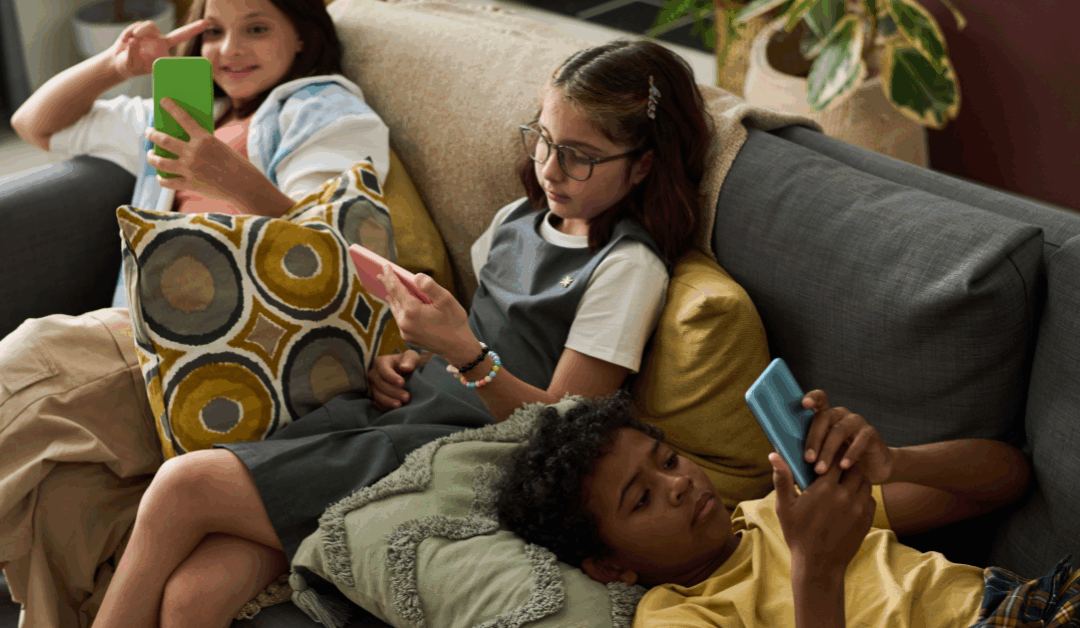
Your eight-year-old asks for screen time. Again. You feel that familiar knot of guilt and uncertainty. Did they have too much yesterday? Is this damaging their development? Are you failing as a parent?
If technology and screen time create anxiety in your household, you’re far from alone. Parents face constant pressure to get it “right” while navigating a landscape that didn’t exist in their own childhoods.
Bottom line: The question isn’t whether technology is “good” or “bad” but how we teach children to use it intentionally. Quality, context, and balance matter far more than arbitrary time limits alone.
Moving Beyond “Good” and “Bad” Screen Time
The binary framing of screen time as either beneficial or harmful doesn’t reflect reality. Research consistently shows that context, content, and how children engage with technology matter more than simple duration measurements.
Not all screen use affects development the same way. Studies examining different types of screen engagement find meaningful distinctions. Educational content watched with adult involvement produces different outcomes than passive consumption of entertainment. Interactive activities like video calls with grandparents affect social development differently than scrolling through content feeds.
Research examining screen time and child development has found both beneficial and detrimental effects depending on how technology is used. Electronic books and learning applications may support early reading skills and creative thinking. Cooperative video games played with family can function as traditional play, offering opportunities for identity and social development. Technology helps children maintain friendships and can make these relationships more diverse than offline connections.
However, excessive passive screen use correlates with negative outcomes including sleep problems, obesity, behavioral issues, and delayed language development. Background television interferes with play quality and parent-child interaction. Heavy screen use,especially before bedtime, disrupts sleep patterns critical for cognitive development.
The key difference: active versus passive engagement. When children interact purposefully with technology, creating content, communicating with others, or solving problems, outcomes tend toward positive. When they consume content passively for extended periods, particularly entertainment designed to maximize viewing time, risks increase.
Age significantly affects how screen time influences development. Research shows infants and toddlers have difficulty learning from two-dimensional representations. They learn more effectively through face-to-face interaction with caregivers than from screens. By age two to three, children begin understanding screen content better, but live interaction remains superior for development.
For school-aged children and adolescents, moderate technology use (typically two to four hours daily) associates with some cognitive and psychosocial benefits, while zero use or excessive use correlate with negative effects. The relationship isn’t linear, meaning more isn’t simply worse. Context and content determine outcomes as much as quantity.
Canadian Paediatric Society guidelines recommend no screen time for children under 18 months except video chatting, less than one hour daily of high-quality programming for ages two to five, and consistent limits prioritizing sleep, physical activity, and other healthy behaviors for older children. These represent starting points for family conversations rather than rigid rules applicable to all situations.
The “screen time guilt” many parents experience often stems from conflicting advice, lack of clear guidelines, and uncertainty about long-term effects. This guilt can actually interfere with thoughtful decision-making. Parents benefit more from understanding principles than from anxiety about specific time limits.
What Research Actually Says About Kids and Technology
Separating evidence from anxiety helps parents make informed decisions. The research offers nuanced findings that don’t reduce to simple sound bites.
Studies examining excessive screen time in children document concerns including impacts on cognitive development, language acquisition, attention span, academic performance, physical health, sleep quality, and social-emotional development. However, most research examines associations rather than proving direct causation. Many studies rely on parent-reported data, which can be influenced by parental perceptions and concerns.
Research limitations matter for interpretation. When studies find correlations between screen time and developmental concerns, multiple explanations exist. Perhaps screen time causes the problems. Perhaps children already experiencing difficulties gravitate toward screens. Perhaps family circumstances affecting both screen time and development aren’t fully measured. Quality research attempts to account for these factors, but perfect studies remain rare.
The developing brain constantly builds neural connections while pruning less-used ones, and digital media use plays an active role in that process. Research from Harvard Medical School notes that much screen-based stimulation provides more limited developmental input compared to real-world experiences. Children benefit from diverse experiences including opportunities for minds to wander, as boredom creates space for creativity and imagination.
Screen use before bedtime disrupts sleep by suppressing melatonin secretion. Since quality sleep proves essential for processing and storing information into memory, late-night technology use can impair learning even when screen content seems educational. Adolescents texting late at night miss both total sleep and deep REM sleep critical for development.
The type of screen and interaction method affects outcomes. Early research suggests touch-screen devices like tablets may support more positive development than passive television viewing when paired with adult guidance and quality educational content. However, even with tablets, quality content and parental involvement determine effectiveness.
Social media presents specific concerns for adolescents. Constant connectivity through texting, social networking, and instant messaging increases anxiety for some teens while supporting social connection for others. Research finds friendship quality and offline relationship strength influence whether technology enhances or undermines wellbeing. When relationships are strong offline, newer technologies confer additional benefits.
Moderate use patterns, which vary by age, generally associate with better outcomes than either excessive use or complete avoidance. For adolescents, zero screen use or excessive use both link to negative effects, while moderate use relates to cognitive and psychosocial benefits. The exact definition of “moderate” depends on age, content, context, and individual factors.
Gaming specifically shows mixed effects. Some video gaming associates with increased wellbeing, prosocial behavior, and fewer conduct problems. Games played cooperatively with family and friends can function as traditional play. However, exposure to age-inappropriate or violent content negatively affects development and behavior. The content, context, and duration all matter.
Perhaps most importantly, research consistently emphasizes that screens themselves aren’t the central issue. The question is what screens replace. When technology displaces physical activity, face-to-face social interaction, outdoor play, reading, creative pursuits, or adequate sleep, negative effects increase. When technology supplements rather than replaces these activities, risks decrease substantially.
Teaching Children to be Intentional with Technology
Moving beyond guilt toward intention requires teaching children skills they’ll need for a lifetime of navigating digital environments. This starts earlier than most parents realize.
Intentional technology use means approaching screens with purpose rather than default. Even young children can learn to ask: “What do I want to do with this technology?” rather than simply reaching for devices when bored. This requires modeling and explicit teaching.
Family media plans provide structure for intentional use. These plans specify when, where, and how screens may be used in your household. Effective plans include device-free times like meals and before bedtime, screen-free zones like bedrooms, and guidelines about content appropriateness. Plans work best when developed collaboratively with age-appropriate input from children.
Co-viewing and co-playing with younger children transforms passive consumption into interactive learning. When adults watch programs or play games with children, asking questions and connecting content to real life, educational benefits increase significantly. Research shows learning improves when adults actively participate rather than simply supervising.
As children mature, teaching media literacy becomes critical. This includes helping them recognize advertising, question content accuracy, identify stereotyping, understand how algorithms work, and recognize when content aims to keep them scrolling rather than inform or entertain meaningfully. These skills prove essential for navigating digital environments independently.
Time management skills develop through practice with structure. Rather than granting unlimited access or imposing arbitrary limits without explanation, involve children in decisions about screen time allocation. Discuss trade-offs between different activities. Help them notice how they feel after different types of screen use.
Creating deliberate breaks from technology helps children experience its absence. Screen-free days, outdoor family activities, board game nights, and technology-free mealtimes provide contrast that makes intentional use more apparent. When children regularly experience engaging activities without screens, they develop capacity to choose among options rather than defaulting to devices.
Teaching children to recognize how technology affects them individually builds self-awareness. Different children show different responses to screen time. Some become energized, others fatigued. Some feel socially connected, others isolated. Helping children notice their own patterns enables better self-regulation as they mature.
Establishing healthy sleep hygiene requires boundaries around evening screen use. Blue light from screens interferes with melatonin production. Content can be stimulating rather than calming. Creating evening routines without screens supports better sleep, which in turn supports everything from mood to learning capacity.
Modeling intentional technology use teaches more powerfully than rules. When parents constantly check phones during family time, children learn screens take priority over people. When parents demonstrate balanced use, setting aside devices for focused interaction, children internalize these patterns.
At our High School program, we address technology intentionally. Students use personal laptops at school but understand expectations about when devices support learning versus when they distract. We promote responsible and ethical technology use, with the majority of the school day spent in learning activities requiring peer-to-peer and student-teacher interaction rather than screen time.
The Difference Between Consuming and Creating with Tech
Perhaps the most important distinction in children’s technology use separates passive consumption from active creation. This difference determines whether technology expands or limits developmental opportunities.
Consuming content means watching, scrolling, clicking through what others have made. This includes most television, social media browsing, video watching, and passive game playing. Consumption requires minimal cognitive engagement and creative thought. While not inherently harmful in moderation, consumption-heavy screen time provides limited developmental benefit.
Creating with technology means using digital tools to produce something new: writing, coding, designing, composing music, editing video, building in digital environments, or communicating ideas. Creation requires higher-order thinking, problem-solving, and often collaboration. These activities leverage technology to extend human capability.
Research consistently shows creative technology use supports development more effectively than passive consumption. When children code, they learn computational thinking and persistence through debugging. When they create videos, they develop narrative skills and technical competency. When they design in digital environments, they practice spatial reasoning and problem-solving.
The ratio matters more than absolute amounts. A child spending two hours creating digital content engages fundamentally differently than a child spending two hours watching videos, even though both involve screens for equal time. Simple time-based limits miss this crucial distinction.
Encouraging creation over consumption requires providing tools, teaching skills, and valuing output. Children need access to creation-focused applications rather than just entertainment platforms. They benefit from basic instruction in digital creation tools. Most importantly, adults must recognize and appreciate what children create digitally with the same enthusiasm given to offline creations.
Many educational technology applications blend consumption and creation effectively. Quality educational games require problem-solving and decision-making rather than passive watching. Interactive learning platforms adapt to student responses, requiring active engagement. These hybrid activities provide more developmental value than pure consumption.
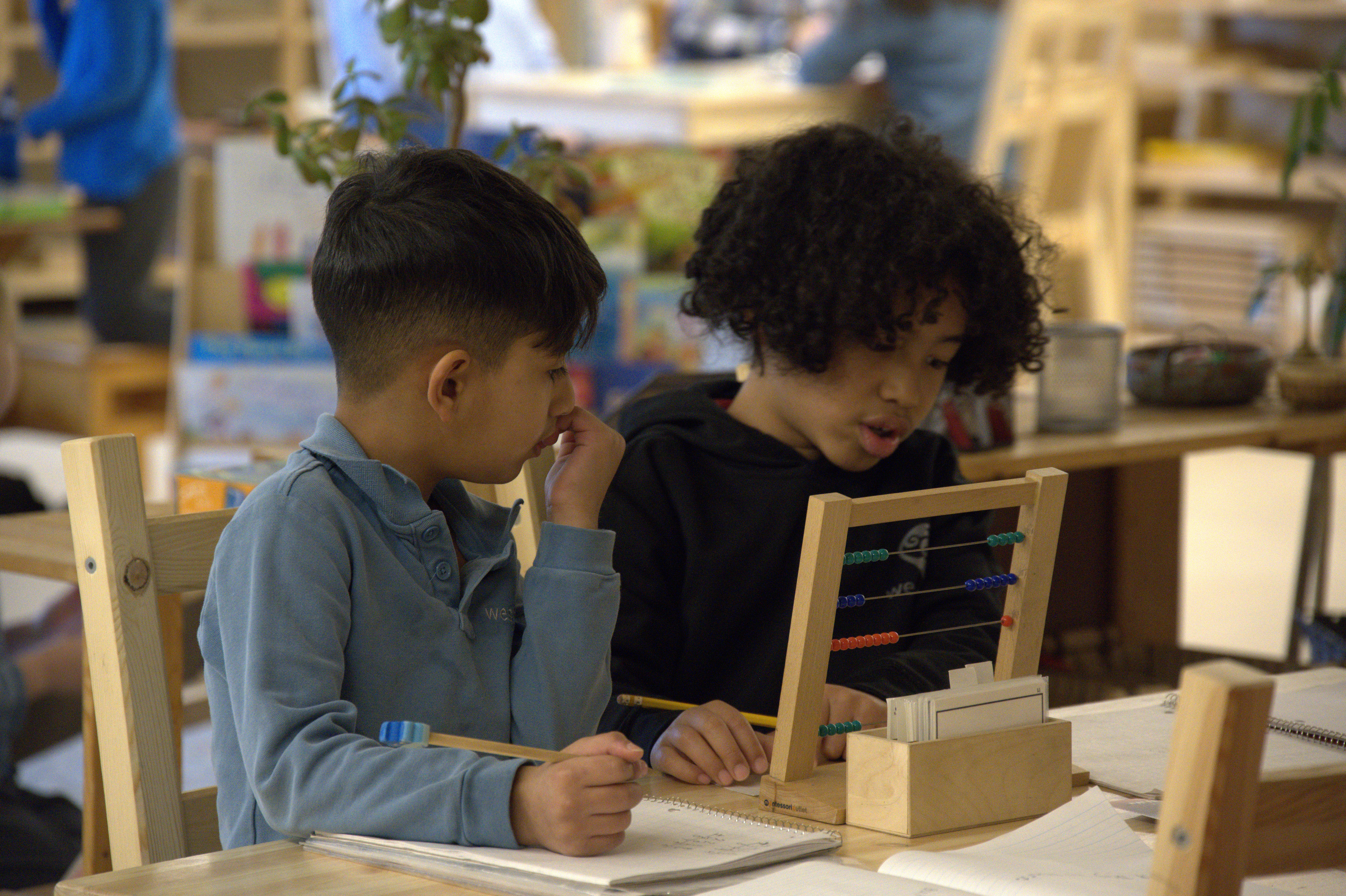
Our elementary and middle school programs emphasize hands-on learning with both physical and digital tools. Students don’t primarily learn by watching screens. They engage in active project work, hands-on exploration with Montessori materials, outdoor experiences, and collaborative problem-solving. When we use technology, emphasis falls on creation and communication rather than passive consumption.
Preparing Kids for a Digital World Without Losing Childhood
The central challenge facing parents: preparing children for a technology-saturated future while preserving experiences essential for healthy development. These goals aren’t mutually exclusive, but achieving both requires intentionality.
Digital literacy represents a genuine necessity for future success. Today’s children will work in environments requiring technological competency. Avoiding technology entirely doesn’t serve them well. The question becomes how to develop digital skills while maintaining childhood’s irreplaceable developmental experiences.
Balance requires protecting certain activities and experiences. Unstructured outdoor play supports physical development, risk assessment, creativity, and nature connection in ways no screen can replicate. Face-to-face social interaction teaches reading facial expressions, negotiating conflicts, and building relationships through means beyond text and image. Physical books support different cognitive processes than screen-based reading. Open-ended creative play with physical materials develops spatial reasoning and fine motor skills distinctly from digital creation.
These aren’t either-or choices. Children can develop technological competency AND spend substantial time outdoors. They can become digitally literate AND maintain strong face-to-face social skills. They can create digitally AND build with physical materials. The key is ensuring technology doesn’t displace these foundational experiences.
Age-appropriate introduction of technology supports this balance. Very young children gain little from personal device use but benefit enormously from physical exploration, social interaction, and sensory experiences. Elementary-aged children can begin learning digital skills while maintaining primarily offline activity. Adolescents increasingly require technological competency but still need substantial offline experiences.
Our 143-acre campus backing onto provincial land provides daily outdoor experiences that balance any technology use. Students spend significant time in nature, not as a break from “real” learning but as central to our educational approach. This outdoor time supports attention restoration, stress reduction, and developmental needs that screens cannot address.
Critical thinking about technology itself should grow alongside technical skills. Children benefit from understanding how platforms are designed to capture attention, why certain content goes viral, how algorithms shape what they see, and what motivations drive different technology companies. This meta-awareness supports more thoughtful technology choices.
The goal isn’t raising children who avoid technology but children who use it purposefully as one tool among many for learning, creating, connecting, and entertaining themselves. When we succeed, young people grow into adults who can code when needed, video chat to maintain relationships, research topics of interest, and also put devices aside to be fully present, explore outdoors, engage in face-to-face conversation, and pursue activities requiring hands and mind without intermediary screens.
Beyond Guilt to Intentionality
Screen time doesn’t have to generate constant parental anxiety. Research offers guidance: quality matters more than quantity alone, context determines outcomes, active engagement beats passive consumption, and balanced lives including physical activity, outdoor time, and face-to-face interaction support healthy development alongside appropriate technology use.
Rather than fixating on hour counts or feeling guilty about every screen minute, focus on teaching intentional technology use. Help children learn to approach screens with purpose, create more than consume, maintain strong offline experiences and relationships, and develop self-awareness about how technology affects them individually.
At Westmont, technology serves learning rather than driving it. Our innovative High School program integrates technology thoughtfully while maintaining emphasis on hands-on projects, outdoor education, face-to-face collaboration, and real-world experiences. Students develop technological competency alongside critical thinking, creativity, and the full range of capabilities required for thriving in complex futures.
Stop feeling guilty about screen time. Start thinking about how to teach kids to use technology intentionally.
The question isn’t whether your child uses technology. It’s whether they’re learning to use it well.