Keeping Kids’ Minds Active Over Summer Doesn’t Have to Mean More School

Keeping Kids’ Minds Active Over Summer Doesn’t Have to Mean More School

Keeping Kids’ Minds Active Over Summer Doesn’t Have to Mean More School

Summer Learning Activities Victoria BC

no worksheet required.

Every June, well-meaning parents book their kids into math camps and reading programs to prevent the summer slide. Canadian researchers have a more interesting suggestion — and it involves a lot more time outside and a lot fewer worksheets.

Summer learning loss is real. Canadian research on Ontario children in Grades 1-3 found widely dispersed summer learning patterns, with equal proportions of children experiencing substantial gains and losses. But the solution isn’t simply more structured academics. What children actually need to maintain cognitive engagement and prevent knowledge atrophy looks quite different from summer school.

The summer learning slide: what Canadian research actually shows

Canadian research provides the first large-scale examination of summer learning patterns in this country. Studying 1,376 Ontario children across two summers, researchers found that summer learning averaged zero across the population, but individual variation was substantial. Some children gained literacy skills significantly. Others lost ground. The differences weren’t random.

Strong disparities emerged based on family socioeconomic status. Children from affluent families gained literacy over summer while those from lower-income families lost literacy skills. Researchers attributed 25 percent of the literacy gap between top and bottom socioeconomic quartiles at school year start to the previous summer’s differential learning.

This matters because it reveals that summer learning isn’t primarily about whether children attend academic programs. It’s about whether their summer environments provide cognitively stimulating experiences, rich language exposure, access to books and materials, opportunities for exploration, and adult engagement in learning activities.

International research examining summer learning across multiple studies found that on average, students lose approximately one month of learning over summer months, with greater losses in mathematics than reading. Students in higher grades lose more learning than those in lower grades. But this research also found that losses are relatively easily recovered when school resumes, suggesting the issue is less catastrophic than often portrayed.

The key insight: preventing summer learning loss doesn’t require replicating school during vacation. It requires maintaining cognitive engagement through experiences children find genuinely interesting and meaningful rather than obligatory.

Why structured academic programs aren’t the only answer

Parents facing research about summer learning loss often conclude their children need more formal instruction during summer months. This creates a summer schedule resembling the school year; workbooks, tutoring sessions, academic camps, structured lessons.

Several problems emerge with this approach. First, children need genuine breaks from formal academic pressure to maintain long-term engagement with learning. Research increasingly demonstrates that continuous high-pressure academic environments contribute to burnout, reduced intrinsic motivation, and mental health challenges even among high-performing students.

Second, structured academic programs during summer often focus on skills in isolation rather than meaningful application. A child completing mathematics worksheets in July isn’t developing mathematical reasoning as effectively as a child measuring ingredients for recipes, calculating distances for bike rides, or budgeting for purchases at garage sales, all activities integrating mathematics into purposeful contexts.

Third, the assumption that summer should mirror school year structure misses understanding of how learning actually occurs. Children learn continuously through interaction with their environments, experimentation, questions and discovery, social engagement, and problem-solving in real contexts. Learning doesn’t require desks, worksheets, or formal instruction.

Fourth, over-scheduling summer reduces crucial developmental opportunities. Children need unstructured time to develop self-directed activity initiation, creativity arising from boredom, comfort with not being constantly entertained, capacity to follow interests without adult direction, and social skills developed through child-directed play.

Research from the Canadian Paediatric Society emphasizes that children should be kept as safe as necessary during play, not as safe as possible. Free play, including risky play, is essential for physical, mental, and social development. Summer represents a prime opportunity for this type of unstructured outdoor exploration increasingly absent from children’s lives during school years.

The case for unstructured play as a learning tool

Unstructured play isn’t just recreation or downtime from real learning. It’s a fundamental learning mechanism particularly powerful during childhood.

Through unstructured play, children develop executive function skills including planning, organizing, prioritizing, shifting between activities, and managing time without external direction. They practice social negotiation as they navigate relationships, resolve conflicts, take others’ perspectives, and collaborate toward shared goals.

They build problem-solving capacity by encountering challenges requiring creative solutions without adult intervention. They develop physical competencies through active play testing their bodily capabilities. They explore interests deeply when freed from predetermined curricula and timeframes.

Perhaps most importantly, unstructured play allows children to follow curiosity wherever it leads. A child fascinated by insects might spend hours observing anthills, catching butterflies, reading about insect life cycles, drawing specimens, building habitats. This deep, self-directed inquiry develops research skills, sustained attention, intrinsic motivation, and genuine knowledge more effectively than assigned projects on topics children don’t choose.

Canadian research on physical activity provides concerning context making unstructured play especially important during summer. According to the 2024 ParticipACTION Report Card on Physical Activity for Children and Youth, only 39 percent of Canadian children and youth meet recommendations of 60 minutes daily moderate-to-vigorous physical activity.

Only 27 percent meet sedentary behavior guidelines limiting recreational screen time. Just 4 percent meet combined 24-Hour Movement Guidelines for physical activity, sedentary behavior, and sleep. These statistics represent Canada receiving a D+ grade for overall physical activity among children and youth.

Summer offers opportunity to address this activity crisis through unstructured outdoor play children actually want to engage in rather than structured exercise they tolerate as obligation.

Nature and outdoor time: what the research says about summer outside

Beyond general physical activity benefits, time in nature specifically provides developmental advantages for children.

Research on outdoor physical activity and Canadian adolescents found that those spending 14 or more hours weekly being active outdoors had highest prevalence of positive mental health, life satisfaction, and happiness. While 14 hours isn’t a magic number, aiming for roughly two hours daily outdoor activity provides sensible target given potential benefits and low risks involved.

This aligns with thresholds used in ParticipACTION Report Cards. Having quantifiable goals helps families move from vague intentions about more outdoor time to concrete targets. Canadian research demonstrates clear associations between outdoor physical activity and mental health outcomes, life satisfaction, and overall wellbeing among children and youth.

Nature exposure reduces stress, improves attention and cognitive function, supports physical activity and motor skill development, provides sensory-rich experiences stimulating curiosity, and creates contexts for unstructured play and exploration.

For families in Victoria and Vancouver Island, summer provides ideal opportunity to leverage our natural environment. Our region’s relatively mild climate, extensive parks and trails, ocean access, and outdoor recreation culture make nature-based summer activities highly accessible.

At our school, our 143-acre campus backing onto provincial land provides students with daily outdoor experiences during the school year. This outdoor-focused approach aligns with understanding that children learn through direct experience with their environments rather than just through books and screens. Summer naturally extends this philosophy as families explore local trails, beaches, forests, and parks.

Experiential learning activities that don’t feel like homework

The most effective summer learning activities share characteristics: they’re chosen by children based on genuine interest, they involve active engagement rather than passive reception, they integrate multiple skills and knowledge areas naturally, they produce tangible outcomes children care about, and they connect to real-world contexts children find meaningful.

Examples might include cooking projects where children plan meals, shop for ingredients, follow recipes, adjust quantities, and serve results. This integrates mathematics (measurement, multiplication, division), reading (following instructions), planning (timing multiple dishes), budgeting (comparing prices), chemistry (observing how ingredients transform), and nutrition (understanding food choices).

Building projects — treehouses, go-karts, gardens, anything requiring design, planning, material gathering, construction, and problem-solving — engage spatial reasoning, measurement, physics principles, planning skills, and persistence through challenges. Children learn more about structural integrity building something that collapses and requires redesign than memorizing physics formulas.

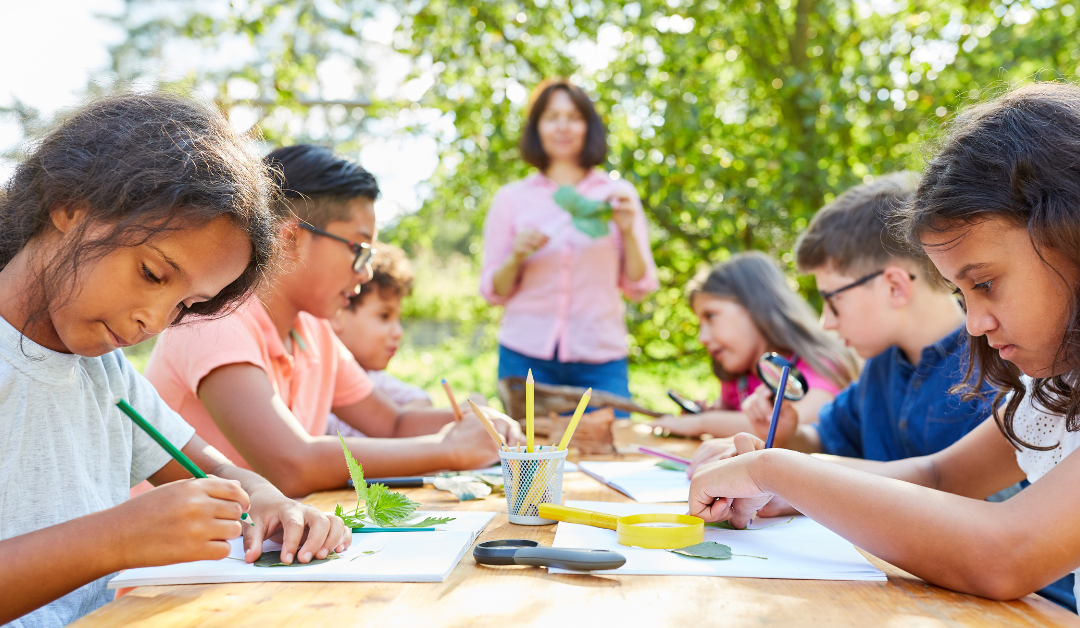
Nature exploration focusing on whatever interests individual children might involve identifying species, tracking animals, observing ecosystems, collecting specimens, sketching observations, or researching questions arising from direct experience. This develops scientific thinking, observation skills, classification abilities, and research capacity.

Creative pursuits like writing stories, producing videos, composing music, creating art, or designing games integrate multiple skills while allowing children to pursue genuine interests at their own skill levels and directions.

Community engagement through volunteering, helping neighbors, organizing events, or participating in local activities develops social skills, builds connections, provides purpose, and exposes children to diverse experiences and perspectives.

The key is that none of these feel like homework to children. They’re activities children engage with because they’re inherently interesting, produce outcomes children value, or connect to goals children have chosen.

How to balance rest, play, and learning over the summer

Parents often struggle finding appropriate balance between structure and freedom during summer. Too much structure eliminates benefits of unstructured time. Too little structure can result in excessive screen time and boredom without productive outlets.

A helpful framework involves maintaining light structure around essential routines while preserving substantial unstructured time. Keep relatively consistent sleep schedules preventing dramatic shifts that make fall transitions difficult. Maintain family meal times providing connection and routine. Preserve expectations around basic responsibilities like personal care and household contributions.

Within this light structural framework, allow substantial unstructured time. Children should experience boredom regularly during summer. Boredom isn’t something to immediately fix through adult intervention. It’s a developmental necessity prompting children to generate their own activities, develop self-directed capacity, and discover what actually interests them when nobody’s telling them what to do.

Provide materials and opportunities supporting diverse activities without dictating how children use them. Art supplies, building materials, books, outdoor equipment, cooking ingredients, tools, and space for projects allow children to follow interests in their own directions and timings.

Limit screen time but don’t eliminate it entirely unless that’s your family’s chosen approach. Canadian Paediatric Society guidelines for school-aged children emphasize healthy management, meaningful screen use, positive modelling, and balanced monitoring rather than rigid time limits. Focus on what screens displace. If children spend reasonable time outdoors, reading, playing actively, engaging socially, and pursuing interests, moderate screen time for entertainment or connection isn’t problematic.

Balance also means accepting that some days will involve more structure and others more freedom. Some weeks might include day camps or classes if children genuinely want to participate. Other weeks might be completely unscheduled. This variability reflects realistic family life rather than requiring perfection.

What to look for in summer programs if you do choose structured time

If families choose some structured programming, whether for childcare needs, to pursue specific interests, or to provide social opportunities, several factors indicate quality.

Programs prioritizing active engagement over passive sitting, providing outdoor time and physical activity, allowing some student choice and input, integrating multiple skill areas naturally, producing tangible outcomes or performances, and maintaining reasonable group sizes allowing individual attention serve children better than programs mimicking school year academics in summer settings.

Look for programs led by enthusiastic staff who genuinely enjoy children rather than just supervising them. Notice whether children seem engaged and energized or bored and compliant. Ask what a typical day looks like — if it’s primarily seated academics and worksheets, reconsider.

Consider whether your child wants to participate. A child excited about science camp will benefit from that experience. A child dragged to math tutoring they resent likely won’t gain much beyond association between summer and academic drudgery.

Balance specialized programs with unstructured free time. A child attending morning nature camp five days weekly still needs afternoons and weekends for self-directed play, rest, and family time.

For families already part of our community, summer extends our school year philosophy into family time. Our emphasis on experiential learning, outdoor education, following student interests, and developing genuine curiosity doesn’t stop in June. The principles guiding our approach during the school year apply equally to summer learning in family contexts.

How a strong school philosophy carries into summer

Schools focused on memorization, test scores, and compliance often create children who view learning as something imposed by adults in classroom contexts. When summer arrives, these children happily abandon anything resembling learning.

Schools emphasizing curiosity, experiential engagement, student choice, and intrinsic motivation develop children who continue learning during summer because they’ve never separated learning from life. They’ve experienced learning as discovering interesting things, following questions, developing capabilities, and engaging with the world — activities that don’t stop just because school’s not in session.

This is why our Montessori approach emphasizing self-directed learning within prepared environments transfers so well to summer contexts. Children accustomed to choosing work based on interest, following inquiry wherever it leads, and experiencing learning as personally meaningful rather than externally imposed naturally continue these patterns during summer.

Our emphasis on outdoor education and direct experience with natural environments means our students enter summer already valuing and seeking outdoor time. They don’t need convincing that going outside is worthwhile — they’ve experienced throughout the school year how much they learn and enjoy outdoor exploration.

Our multi-age community structures mean our students are practiced at initiating activities, entertaining themselves, and engaging across age differences rather than requiring entertainment from adults or age-segregated programming. These skills serve them well during less-structured summer months.

Summer shouldn’t replicate the school year. It should provide what school years often can’t: extended unstructured time for self-directed exploration, substantial outdoor activity and nature exposure, opportunities to pursue interests deeply without curriculum constraints, rest and recovery from academic pressure, and family time without the school schedule’s demands.

Canadian research demonstrates that children don’t need formal academic programs to prevent summer learning loss. They need cognitively rich environments where they engage with ideas, materials, and experiences that interest them. They need time outdoors moving their bodies and exploring natural environments. They need unstructured play developing creativity, problem-solving, social skills, and self-direction.

They need summers that feel like summers, not just school relocated to June through August.

For families seeking approaches to summer that keep children’s minds active without requiring worksheets and academic pressure, focus on experiential learning activities children choose, substantial outdoor time and physical activity, unstructured play allowing creativity and self-direction, reading for pleasure rather than assignments, and family activities integrating learning naturally — cooking, building, exploring, creating, questioning.

Our approach to learning doesn’t stop when school does. It’s a philosophy carrying through everything. 

Ready to Learn More?

The Summer Before a New School: How to Set Your Child Up for a Confident September Start

The Summer Before a New School: How to Set Your Child Up for a Confident September Start

The Summer Before a New School: How to Set Your Child Up for a Confident September Start

Practical strategies for families starting at Westmont

or any new school this fall.

You’ve made the decision. September is confirmed. And now your child is suddenly asking if they have to go.

This pattern repeats across countless families every June. The abstract idea of “new school” felt manageable when September sat months away. Now it’s real, close, and your child’s anxiety is surfacing in questions, withdrawal, or sudden attachment to their current situation.

Some adjustment difficulty is completely normal. Canadian research from the Offord Centre for Child Studies at McMaster University examining children entering school found that elevated anxiety symptoms during transitions affect development across multiple areas. Understanding what’s happening and what actually helps makes the difference between summer spent worrying and summer spent building genuine readiness.

Why school transitions feel big, even for confident kids

Starting a new school ranks among childhood’s most significant transitions. The familiar becomes unfamiliar. Known routines disappear. Established friendships shift. Children must navigate new spaces, learn different rules, meet unfamiliar adults, and find their place in new social structures.

Research examining students’ psychological adjustment across school transitions found that transitions pose challenges on both educational and psychological levels. Even confident children struggle internally with uncertainty about making friends, keeping up academically, finding their way, and managing without familiar supports.

What makes transitions particularly challenging is that children can’t fully anticipate what they’ll encounter. Adults researching new workplaces can build mental models of what to expect. Children lack both the cognitive capacity for this preparation and access to helpful information.

Canadian research found that average adjustment duration is approximately three weeks, though significant variability exists. Some children adapt within days, others need months. The variation depends on temperament, previous transition experience, quality of adult support, and fit between child and environment.

What Canadian research says about helping children navigate change

Research on school transitions consistently identifies several factors that ease adjustment and predict better outcomes.

Quality of teacher-student relationships stands out as perhaps the most powerful protective factor. Research examining students across three major school transitions — kindergarten to primary, primary to middle, middle to high school — found that positive teacher-student relationship quality associates with reduction of psychological symptoms. Stable, low-conflict teacher-student relationships act as protective factors against increased anxiety and behavioral issues during all normative school transitions.

This matters because it means the environment children enter affects adjustment as much as or more than what families do over summer. Schools that prioritize relationship-building, create welcoming environments, and train teachers to support transitions produce better outcomes than schools that assume children should just adapt to existing structures.

Transition supports provided by schools also make measurable differences. Research using data from over 13,000 children found that attending schools offering high levels of basic transition supports resulted in fewer transition challenges and better academic and socioemotional outcomes. Children whose schools provide orientation activities, gradual entry approaches, family engagement opportunities, and clear communication adjust more successfully.

Parental response to transition significantly influences children’s adjustment. Parents who acknowledge difficulty while expressing confidence in their child’s capability to manage it help children develop coping skills. Parents who either dismiss children’s concerns or become anxiously overinvolved tend to increase rather than decrease transition stress.

Age-appropriate preparation helps without creating additional anxiety. This means different things for different developmental stages. Young children benefit from simple, concrete information about what will happen and when. Older children need more detailed information plus opportunities to process feelings and ask questions.

What doesn’t help as much as parents expect: extensive academic preparation during summer. While ensuring children have basic skills for their grade level matters, drilling academics rarely addresses the actual sources of transition anxiety. Children worry about social belonging, navigation, and routines more than whether they know enough mathematics or reading.

The difference between preparing and over-preparing

Parents facing children’s transition anxiety often respond by trying to prepare children exhaustively. They buy every book about starting school. They quiz children about what they’ll do if various scenarios occur. They rehearse routines repeatedly. They’re trying to reduce uncertainty by controlling everything controllable.

This approach backfires because it communicates that the transition is indeed something to fear requiring intensive preparation. Children interpret parental anxiety accurately even when parents try to hide it behind helpful activities.

Effective preparation looks different. It provides enough information for children to build mental models of what to expect without overwhelming them with details they can’t yet process or scenarios that may never occur.

For young children starting kindergarten or early elementary, this might include visiting the school grounds if possible, reading a few stories about starting school, discussing basic routines like drop-off and pick-up, and normalizing that feeling nervous and excited simultaneously is common.

For older children, preparation includes similar physical familiarization plus more detailed information about schedules, expectations, and logistics. They benefit from honest conversations about what might feel challenging and strategies for handling difficulty rather than reassurance that everything will be perfect.

What children need most isn’t exhaustive preparation but presence and confidence. Presence means adults stay emotionally available when children express worries rather than dismissing concerns or launching into problem-solving mode. Confidence means adults genuinely believe children can handle this transition even if it involves some struggle.

Over-preparation also often focuses on academic readiness at the expense of social-emotional preparation. Parents drill letters and numbers while neglecting to help children practice introducing themselves, asking for help, or managing frustration when things don’t go as expected. The social-emotional skills matter more for initial adjustment than academic capabilities.

How to talk to your child about their new school without creating anxiety

The way adults frame new schools significantly influences how children approach transitions. Avoid these common patterns that increase anxiety:

Overselling how perfect or wonderful the new school will be sets up disappointment when reality includes inevitable challenges. Children detect dishonesty and conclude that if adults need to convince them this strenuously, perhaps the situation warrants fear.

Focusing heavily on what will be different emphasizes discontinuity over continuity. While acknowledging changes, also note what carries forward — they’ll still be themselves, parents will still pick them up, bedtime routines continue.

Asking repeatedly whether they’re excited or ready creates pressure to perform certain emotions. Children should be allowed to feel whatever they actually feel (excited, nervous, ambivalent, or any combination) without needing to reassure parents.

Making the transition contingent on their behavior (“You need to be brave” or “Big kids don’t act scared”) adds shame to natural anxiety.

Instead, try these approaches:

Normalize mixed feelings. “Some kids feel excited about new schools. Some feel nervous. Some feel both at once. All those feelings make sense. What are you feeling?”

Share your own transition experiences without centering yourself. “When I started a new job, I felt nervous the first week even though I was also excited. That’s pretty normal when things are new.”

Provide concrete, age-appropriate information without overwhelming. “Your teacher’s name is [name]. Your classroom is [location]. School starts at [time]. Here’s what a typical morning will look like.” Then stop unless they ask for more.

Acknowledge what you don’t know honestly. “I don’t know exactly what the first day will be like, but I know the teachers are planning to help everyone feel welcome.”

Emphasize your continued presence. “I’ll drop you off and pick you up every day. If you need anything, you can always tell me and we’ll figure it out together.”

What to do (and not do) over the summer

Summer before starting a new school shouldn’t be consumed with transition preparation. Children need summer to be summer — time for rest, play, unstructured exploration, and enjoyment.

Do maintain general routines around sleep, meals, and screen time so September’s schedule shift isn’t drastic.

Do practice new logistics gently if feasible — walking or biking the route, managing organizational systems through low-stakes opportunities.

Do talk about the new school matter-of-factly when it comes up naturally rather than either avoiding it or making it a frequent focus.

Do continue building social-emotional skills through everyday interactions — taking turns, managing disappointment, asking for what they need, persisting through challenge.

Do allow boredom and unstructured time. Children need periods of doing nothing to develop creativity, self-directed activity, and comfort with not being constantly entertained.

Don’t drill academics unless your child shows genuine interest or significant gaps need addressing. Reading together because you both enjoy it differs from workbook drills creating association between learning and pressure.

Don’t continually reference September or build it into an overwhelming event. Balance acknowledgment with present focus.

Don’t over-schedule summer attempting to keep children constantly engaged. Rest and play are developmental necessities, not luxuries.

How the right school environment eases the transition itself

While families’ summer approach matters, the environment children enter in September matters more for long-term adjustment. Schools structured to support transitions produce dramatically better outcomes than schools expecting children to simply adapt to existing systems.

Key features that ease transitions include gradual entry approaches where children don’t immediately face full days and full demands, orientation activities providing familiarity before the official start date, clear communication with families about expectations and routines, and teachers trained to recognize and support transition challenges.

Cross-age school communities significantly ease transitions because children entering new programs encounter familiar faces rather than entirely new social landscapes. At a K-12 school on a single campus, kindergarteners starting school already know older students from siblings, parents’ friends’ children, or community events. Elementary students moving to middle school maintain connections to younger students they mentored and older students they admired.

Multi-age classroom structures normalize that students work at different levels and develop at different rates, removing pressure to immediately perform at arbitrary grade-level standards. Children experience being both newer members learning from established peers and eventually experienced members supporting newer students.

Small school size allows every adult to know every child rather than children being anonymous faces in large institutions. When teachers, administrators, and staff recognize children individually, transitions become about joining a known community rather than entering an impersonal system.

Schools prioritizing relationships over compliance create environments where children feel safe admitting difficulty, asking for help, and taking time to adjust. Schools focused primarily on behavioral management and academic performance often inadvertently increase transition stress by demanding immediate adaptation.

Our cross-age K-12 community on a single campus creates natural transition support. Children moving from Early Years to Lower Elementary aren’t leaving behind everything familiar — they’re joining a program on the same campus with teachers who already know them from seeing them across our community. Elementary students moving to Middle School maintain connections with younger students they’ve mentored and familiar staff throughout campus. Middle School students transitioning to High School continue relationships with teachers and peers while taking on new challenges.

What to expect in the first few weeks, and why adjustment takes time

September arrives. The first day happens. And then reality sets in; this is genuinely different and requires adjustment.

Expect regression in some areas during the first few weeks. Children who’ve been independent might become clingy. Solid sleepers might resist bedtime. Previously cooperative children might become argumentative at home. This is normal developmental response to significant change, not a sign the transition is failing.

Children often hold themselves together at school, managing anxiety and uncertainty throughout the day, then decompress at home where they feel safe. This means parents sometimes see the most difficult behavior after seemingly successful school days. Your child isn’t lying about how school went — they’re releasing accumulated stress in the environment where they feel secure enough to do so.

Expect varying adjustment timelines. Some children adapt within days. Most need several weeks. Some continue adjusting throughout the first term. None of these timelines indicate success or failure — just normal human variation in response to change.

Signs of healthy adjustment include gradually increasing comfort, developing routines, forming connections with at least one or two peers, engaging with learning activities, and expressing mixed but generally positive feelings about school. Adjustment doesn’t mean constant happiness or zero difficulty.

Signs requiring attention include persistent physical complaints, ongoing refusal to attend school, complete absence of peer connections after several weeks, significant behavioral changes at home or school, or extreme anxiety that doesn’t gradually diminish. These might indicate either unusually difficult adjustment requiring additional support or possible poor fit between child and environment.

Communication between families and school becomes crucial during adjustment. Schools seeing concerning patterns need to hear from families about what they’re observing at home. Families noticing persistent difficulty need to raise concerns with schools rather than waiting to see if things improve.

Most adjustment challenges resolve with time, patience, appropriate support, and partnership between families and schools. The minority requiring intervention benefit from early identification and response rather than extended waiting.

How families can support without taking over

Parents’ instinct when children struggle is to fix problems. During school transitions, this often means either solving issues for children or pressuring them to solve issues instantly. Neither serves long-term development.

Better approach: support children in developing their own problem-solving capacity. When your child reports difficulty at school, resist the urge to immediately contact the school or provide solutions. Instead, ask questions helping your child think through options.

“That sounds frustrating. What have you tried already? What else could you try? Would it help to talk to your teacher? Should we practice what you might say?”

For genuine problems beyond children’s capacity to handle independently, partner with school while keeping children involved. “It sounds like this is something we should talk with your teacher about. Let’s think together about what information would be helpful to share.”

Maintain consistent routines at home providing stability while school remains new and unpredictable. Reliable bedtimes, family meals, and weekend activities create anchors when so much else is changing.

Avoid the trap of making school performance (social or academic) the center of family life. Ask about your child’s day, but don’t interrogate. Notice changes in mood or behavior, but don’t constantly analyze. Show interest without pressure.

Celebrate small victories without creating pressure for constant progress. “You found someone to sit with at lunch today — that’s great” differs from “Did you make a best friend yet?”

Trust the process. Adjustment rarely proceeds linearly. Good days and difficult days often alternate throughout the first months. This is normal, not cause for alarm.

Most importantly, trust your child. They have more capability to handle transitions than parents’ protective instincts sometimes allow. Support doesn’t mean preventing all difficulty. It means providing resources, encouragement, and presence while children develop competence through managing actual challenges.

School transitions will always involve some uncertainty and challenge. That’s inherent to significant changes in children’s lives. But understanding what’s normal, what helps, and what doesn’t makes the difference between summer consumed by worry and summer spent building readiness while still being summer.

Canadian research demonstrates clearly that adjustment takes time, varied responses are normal, relationship quality in the new environment matters most, and schools structured to support transitions produce better outcomes. Families can’t control everything about September, but they can provide emotional support, reasonable preparation, and confidence that their child will adapt.

The goal isn’t eliminating all transition difficulty but rather supporting children through genuine developmental experience that builds resilience, problem-solving capacity, and confidence in their ability to handle change.

For families starting at our school in September, we look forward to welcoming you into our community. Questions about what to expect in your first year? Give us a call!

Ready to Learn More?

Why School Size Is One of the Most Overlooked Factors in Choosing the Right Fit

Why School Size Is One of the Most Overlooked Factors in Choosing the Right Fit

Why School Size Is One of the Most Overlooked Factors in Choosing the Right Fit

What parents should know about small vs. large schools.

Canadian research reveals how school size affects student outcomes, relationships, and belonging.

Parents touring small schools almost always ask the same question: “But will there be enough kids for my child to find their people?”

It’s a fair question rooted in genuine concern. We imagine our children needing dozens of peers to discover kindred spirits, worrying that limited numbers might leave them socially isolated or missing opportunities. The assumption runs deep: more students equals more options, which equals better social outcomes and richer experiences.

Canadian research has a surprisingly clear answer — and it’s not what most people expect.

School size profoundly affects student experience, achievement, and engagement in ways that don’t show up in enrollment numbers or facility tours. Understanding what research actually demonstrates about small versus large schools helps families evaluate this often-overlooked factor when choosing educational environments for children.

The common fear: will my child miss out in a small school?

The concern about small schools usually centers on three worries: social limitations, fewer extracurricular options, and reduced academic offerings.

Socially, parents imagine their child needs large peer groups to find friends with shared interests. What if the small cohort doesn’t include anyone who shares their child’s personality, hobbies, or energy level? What if cliques form and exclude them with no alternative groups to join?

For extracurriculars, the math seems straightforward. A school with 800 students can field multiple sports teams, theater productions, debate clubs, music ensembles. A school with 150 students has fewer bodies to populate activities. Won’t children miss opportunities to explore interests and develop talents?

Academically, larger schools can offer more course sections, specialized electives, advanced placement options, and diverse pathways. Small schools face constraints. How can they provide comparable breadth and depth?

These concerns make logical sense when thinking about schools as collections of resources and opportunities to access. The framework breaks down when research examines what actually predicts student thriving — and discovers that relationships matter far more than options.

What Canadian research actually shows about school size and student outcomes

Research examining school size effects reveals patterns that challenge conventional assumptions about bigger being better.

A comprehensive review of school size research examining elementary schools found that six studies reported negative relationships between size and achievement — meaning smaller schools associated with better achievement. Recent Canadian research on small multi-age classrooms found that students in smaller learning environments with mixed-age grouping report stronger peer connections, greater engagement, and higher overall well-being compared to larger single-grade settings.

The relationship quality factor explains much of this. Research consistently demonstrates that proximity and repeated contact predict friendship formation more powerfully than age grouping or background similarities. Small schools naturally support deeper social connections because children spend more time interacting with the same peers rather than encountering different faces constantly in hallways and cafeterias.

Canadian studies examining student engagement found entirely consistent evidence that smaller schools associate with greater student engagement conceived of in different ways. Students in small schools report stronger sense of belonging, lower alienation, and greater connection to their educational community.

This isn’t just about feelings. Research shows that students’ sense of belonging and connection to school predicts academic achievement, attendance, graduation rates, and long-term life outcomes more reliably than many factors parents typically prioritize when choosing schools.

The mechanisms operate through several pathways. In smaller schools, students are known individually rather than as faces in crowds. Teachers recognize each student, understand their strengths and struggles, notice when they’re absent or struggling. This visibility creates accountability and connection simultaneously.

Students in small schools also participate more actively. When a theater production needs actors, everyone who wants a role typically gets one rather than competing against dozens of hopefuls. When student government seeks representatives, interested students can participate rather than watching from sidelines. Participation becomes expected rather than exceptional, developing leadership and responsibility earlier.

Cross-age relationships flourish in small schools in ways large schools struggle to replicate. Older students interact naturally with younger peers on playgrounds, in hallways, at events. This creates mentorship opportunities, models of possibility, and community cohesion that transcend age-based segregation typical of larger institutions.

The relationship factor: why staff-to-student ratios shape everything

Perhaps the most significant advantage small schools provide comes through staff-student relationships that develop when adults work with manageable numbers of children.

In a school with 150 students, every adult knows every child. The principal greets students by name. Teachers recognize students in other divisions. Office staff know families. This creates web of connection impossible to replicate at scale.

Research consistently identifies quality of teacher-student relationships among the most powerful predictors of student achievement and engagement. Students who feel known demonstrate higher motivation, greater persistence, better attendance, and stronger academic outcomes.

The difference between being known and being anonymous shapes children’s entire school experience. Known students receive appropriate support because adults notice changes. They’re held accountable because anonymity doesn’t shield them. They take intellectual risks because they trust the adults witnessing their attempts.

Small schools allow adults to collaborate around individual students. When a child struggles, teachers can gather quickly to coordinate support. Information doesn’t get lost between departments. This matters especially for children with learning differences or social-emotional needs.

Cross-age community: a social advantage unique to small schools

One of small schools’ most distinctive features — the social advantage parents often worry about — actually provides unique developmental benefits.

In large schools, age segregation is nearly total. Kindergarteners rarely interact with middle schoolers. Elementary students don’t encounter high school students. Even within divisions, rigid grade groupings keep eight-year-olds separate from nine-year-olds, twelve-year-olds from thirteen-year-olds.

Small schools, particularly those using multi-age classroom structures, normalize cross-age relationships. Students experience being simultaneously learners looking to older peers for models and mentors supporting younger students who admire them.

Research on multi-age environments shows this benefits both younger and older students. Younger children access models of slightly more advanced skills and knowledge, seeing concrete examples of where they’re headed. Older children reinforce their own learning by explaining concepts to younger peers while developing patience, responsibility, and leadership capacities.

Canadian research highlights that students in small multi-age classrooms demonstrate reduced behavioral issues and improved classroom climate. The presence of different ages creates more complex social dynamics than same-age groups where competition and comparison intensify. Children find niches based on interests and strengths rather than just age-based hierarchies.

Socially, cross-age structures mean children aren’t locked into peer groups formed in kindergarten. The friend possibilities expand as students interact with peers across multiple grades. A child interested in particular activities finds others sharing those interests regardless of age rather than being limited to same-grade peers who may not share their passions.

At our school, this plays out daily as students of all ages interact naturally across our campus. Middle schoolers and upper elementary students play together in the field. High schoolers support primary students. The entire community gathers for events where students moving from one division to the next receive acknowledgment from the whole school. Age becomes less important than shared community membership.

Extracurriculars and opportunities: rethinking what “more” actually means

The concern about fewer extracurricular options deserves honest examination because it contains both valid observations and faulty assumptions.

Valid observation: small schools can’t field ten sports teams, three drama productions annually, and dozens of clubs simultaneously.

Faulty assumption: more programmatic options automatically create better developmental outcomes.

Research on child development increasingly questions whether proliferation of organized activities serves children’s needs. Children benefit from some structured activity providing skill development and challenge. They also need unstructured time for self-directed play, boredom that sparks creativity, and freedom from constant adult organization.

Small schools tend toward fewer but higher-participation activities. Rather than eight sports where most students sit on benches, small schools might offer three sports where interested students actually play. Rather than theater with walk-on roles, productions give everyone interested meaningful parts.

Quality of participation matters more than quantity of options. A child actively involved in three activities they care about derives more benefit than twelve options they sample superficially or can’t access due to competition.

Small schools also create opportunities for student initiative. When students express interest in activities not offered, small schools can respond nimbly through student-led or parent-volunteer initiatives. This teaches entrepreneurship and self-advocacy.

We’ve provided chess, soccer, coding, outdoor education, arts, and athletics despite our size by involving parents with expertise, partnering with community organizations, and allowing students to propose activities. The goal is genuine skill development and discovering passions rather than accumulating resume lines.

When small schools aren’t the right fit — being honest about it

Small schools aren’t optimal for every child and family. Honest evaluation requires acknowledging limitations alongside advantages.

Some children genuinely thrive in larger environments. Students who need anonymity to experiment with identity without everyone watching might find small schools’ visibility uncomfortable. Students who value extensive choice and variety might feel constrained by smaller program offerings. Students planning highly specialized academic paths might need larger schools’ advanced course selections.

Families should also consider their child’s social style and needs. While research shows most children form one to three close friendships regardless of school size, some children need larger peer pools to find compatible friends. If your child has very specific interests or particular personality traits, a small cohort might not include kindred spirits.

Small schools also typically can’t accommodate students requiring extensive specialized services unless specifically designed for those populations. A child needing daily one-on-one therapeutic support, highly specialized academic programming, or services requiring dedicated staff might be better served in larger schools with more comprehensive resources.

Geographic factors matter. Small schools in isolated areas face different constraints than small schools in cities with access to community resources, cultural institutions, and partnership opportunities. Location affects what small schools can realistically provide.

Families should also examine how small schools actually operate rather than making assumptions based purely on size. Not all small schools function the same way. Some replicate large-school structures at smaller scale, losing many potential advantages. Others thoughtfully leverage smallness to create genuinely different educational approaches.

Visit any small school you’re considering. Observe how students interact across ages. Notice whether adults know children individually. Ask how the school handles student differences and needs. Examine whether participation opportunities actually exist or if small size created exclusivity in different form. Trust your observations about whether the specific environment would serve your specific child.

What to look for when evaluating a small school

If you’re considering small schools, several factors indicate whether a particular school leverages its size effectively or simply operates as a scaled-down version of traditional structures.

Observe cross-age interactions. Do students of different ages interact naturally and positively? Do older students support younger ones? Does the community feel cohesive across divisions or segregated by age despite small size?

Notice visibility and relationships. Do adults greet children by name? Can you see evidence that teachers know students well? Do students seem comfortable approaching various adults? Does the principal know students beyond just the current grade?

Ask about participation. What percentage of interested students actually participate in activities versus being cut or relegated to bench positions? Can students propose new activities or programs? How does the school respond to student initiative?

Examine academic individualization. How does the school accommodate students working above or below age-level expectations? What happens when students need additional support or greater challenge? Can they access what they need regardless of small numbers?

Inquire about community and partnership. How does the school connect to community resources, cultural institutions, expertise beyond campus? What partnerships extend learning opportunities? How does the school compensate for limitations through creativity and collaboration?

Understand the school’s philosophy. Does leadership actively value and leverage smallness, or do they apologize for size as limitation? Schools that view smallness as advantage create different experiences than schools viewing it as constraint they’re stuck with.

Consider stability and sustainability. How long has the school existed? What’s teacher retention like? Is enrollment stable or declining? Financial stability and leadership continuity matter for any school but particularly for small schools with less cushion for disruption.

Talk to current families. What do they value about the school? What challenges have they encountered? How does the school handle difficulties when they arise? Would they choose the school again knowing what they now know?

Why our size is a feature, not a limitation

We’ve intentionally capped our enrollment around 150 students with a maximum of approximately 200 as we complete building our High School program. This isn’t a limitation we’re stuck with — it’s a deliberate choice reflecting our educational philosophy.

Small size allows us to know every child deeply. Our teachers work with students across multiple years, building relationships that inform how they support learning. Our principal knows students’ names, their interests, their challenges, their growth trajectories. When everyone knows everyone, students can’t hide or get lost, but they also can’t be reduced to numbers or test scores.

Our K-12 campus creates natural cross-age community. Students from Early Years through High School share space, interact daily, and know each other across division boundaries. Older students model possibilities for younger ones. Younger students remind older ones of how far they’ve come. Everyone participates in community events acknowledging students’ growth and transitions.

Multi-age classrooms throughout our programs normalize that students develop at different rates and excel in different areas. A student might work above age level in mathematics while needing support in writing without this being problematic or shameful. Students experience being both learners and mentors as they progress through multi-year classroom groupings.

Our size allows genuine responsiveness to student interests and needs. When students propose activities or identify learning opportunities, we can actually make things happen rather than requiring extensive approval through bureaucratic structures. Parents with expertise can contribute directly. Partnerships with community organizations and professionals extend learning beyond our campus.

We create participation opportunities rather than competitive selection. Students interested in activities actually do them rather than just watching. Leadership develops through real responsibility rather than through positions rationed among hundreds of applicants. Projects and performances involve everyone interested rather than just the most talented or experienced.

Small size also allows us to maintain consistency in our educational approach. We don’t fragment into departments with competing philosophies. We work together around shared principles of Montessori education and our commitment to igniting lifelong love of learning. Families choosing our school can trust their children will experience coherent educational philosophy throughout their journey from Early Years through High School.

The relationships we build — between students and teachers, among families, across our community — create foundation for everything else we do. These relationships allow us to support students through challenges, celebrate their achievements meaningfully, notice when they need something different, and maintain high expectations within caring context.

School size affects student experience more than most families realize when choosing schools. Research consistently demonstrates that smaller schools support stronger relationships, greater engagement, deeper sense of belonging, and often better academic outcomes than larger schools — particularly for elementary and middle school students.

The common fear that small schools limit social opportunities or extracurricular access doesn’t withstand scrutiny. Most children form one to three close friendships regardless of school size, with relationship quality mattering far more than quantity of potential peers. Participation rates in activities actually tend to be higher in small schools where interested students can genuinely participate rather than competing against larger pools for limited spots.

What small schools do uniquely well is create environments where every student is known individually by multiple adults, where cross-age relationships develop naturally, where participation becomes expected rather than exceptional, and where community cohesion allows coordinated support around each child’s needs and strengths.

Not every child thrives in small schools. Families should honestly evaluate their child’s needs, examine specific schools rather than making size-based assumptions, and trust observations about fit. But for many children, particularly those who benefit from being truly known, participating actively, and experiencing genuine community, small schools provide advantages that larger environments struggle to replicate regardless of resources.

Curious what life looks like inside a close-knit K-12 community of approximately 150 students? Schedule a campus tour at westmontschool.ca to meet our students, staff, and families and see our community in action across our 143-acre campus.

Research Citation:

www.acadecap.org/friendships-in-small-canadian-schools-the-benefits-of-multi-age-classrooms/

www.nearnorthschools.ca/wp-content/uploads/2017/05/Speaker-8-GP-Leithwood-Jantzi-OISE-Schools-Size-Study-Presented-Feb-15-2017.pdf


Ready to Learn More?

What Parents of Lifelong Learners Do Differently

What Parents of Lifelong Learners Do Differently

What Parents of Lifelong Learners Do Differently

Canadian research on intrinsic motivation reveals…

what parents of curious, engaged learners do differently.

Every spring, parents screenshot the Fraser Institute rankings and use them to choose elementary schools. The numbered lists feel objective, quantifiable, reassuring. Your child’s school ranks 47 out of 280. Is that good? Should you be looking elsewhere?

The Fraser Institute taps into genuine parental concern about education quality. But the methodology measures a narrow slice of what actually matters for children ages five through eleven. Academic performance on standardized tests — specifically Foundation Skills Assessment results — tells you something about a school. What it doesn’t tell you is whether that school develops curious, confident, engaged learners who love learning.

Canadian education researchers and policy analysts have documented serious limitations with ranking-based school evaluation. The Canadian Centre for Policy Alternatives (CCPA) notes that Fraser Institute rankings focus only on exam results, which is destructive of many efforts underway to really improve and understand schools. Rankings don’t help parents make informed choices about programs and philosophy. They reduce complex educational environments to single numbers.

Here’s what Canadian research actually says about effective elementary education — and what to look for when choosing schools for children in Grades 1 through 6.

Why school rankings don’t tell you what you actually need to know

The Fraser Institute rankings compile standardized test scores, demographic data, and other metrics into single numerical scores. Schools receive ratings out of 10. Parents compare these numbers assuming higher scores mean better education.

Several fundamental problems exist with this approach. First, rankings measure what’s easily quantifiable rather than what’s educationally important. Standardized test performance tells you very little about critical thinking development, creativity, collaboration capacity, emotional regulation, intrinsic motivation, or dozens of other factors that predict long-term success.

Second, rankings don’t account for context. Socioeconomic factors heavily influence standardized test performance. Schools serving higher-income neighborhoods typically score higher because students arrive with resources their families can afford. An investigation revealed that merely 45% of an elementary school’s rank derived from provincial assessments, with the majority from measures correlating strongly with socioeconomic status.

Third, focusing exclusively on test scores incentivizes teaching to tests. Schools maximizing test performance sometimes narrow curriculum and reduce time on non-assessed subjects. Students may score well while missing crucial development in creativity, inquiry, and collaboration.

Fourth, rankings tell you nothing about program philosophy, teaching approach, learning environment, community culture, or how students experience school daily. These factors matter enormously but don’t appear in numerical scores.

What Canadian research says about effective elementary education

When researchers study what actually supports children’s learning and development during elementary years, different factors emerge than those emphasized in rankings.

Low student-to-teacher ratios consistently appear in research as important determinants of elementary student outcomes. Extensive academic literature strongly supports the common-sense notion that class size matters for young learners.

Research from Ontario examining class size reduction between 2003 and 2008 found that nearly three-quarters of primary teachers reported quality of their relationships with students improved as a result of smaller classes. Two-thirds said their students were more engaged in learning than before class size reduction. Many parents of children enrolled in smaller classes reported that their children appeared to be learning more and were more comfortable at school.

Canadian studies examining elementary education find that smaller classes improve student behavior and peer relationships, increase student engagement in early grades, contribute to alleviating antisocial and aggressive behavior, allow teachers to work individually with students and meet their diverse needs, and support building stronger teacher-student relationships that predict long-term engagement.

The relationship quality between teachers and individual students matters enormously for elementary-aged children. When class sizes allow teachers to know each student well, notice when they’re struggling, provide individualized support, and build genuine connections, students develop confidence as learners and stronger academic outcomes follow.

Research indicates that class size benefits are particularly pronounced in early elementary years. Students in classes with fewer than 20 students in Grades K through 3 benefit greatly from the smaller enrollment. The advantages compound over time — students who remain in small elementary classes for five or six years show roughly 10-point advantages over those in large classes by sixth grade, equivalent to 4.5 months of additional learning.

Beyond class size, Canadian research identifies other factors supporting effective elementary education. Individualized pacing allows students to progress at rates matching their actual development rather than arbitrary grade-level expectations. Social-emotional learning integrated throughout the day supports the emotional regulation and interpersonal skills foundational for both learning and life. Intrinsic motivation developed through engaging, meaningful work produces stronger long-term outcomes than extrinsic rewards systems. Multi-age classrooms grouping students across two or three grade levels allow students to progress at individual paces while experiencing both learning from older peers and mentoring younger students.

The low-ratio advantage: why class size matters more than parents think

The connection between class size and learning outcomes operates through several mechanisms that matter especially for elementary-aged children.

Individual attention increases dramatically in smaller classes. A teacher with 15 students can spend twice as much one-on-one time with each child compared to a teacher with 30 students. This matters for diagnosing learning gaps, providing targeted support, and building relationships that help children feel known and valued.

Behavior management consumes less time in smaller classes, freeing time for actual instruction. Teachers spend less energy managing disruption and more time teaching. The learning environment stays calmer, which particularly benefits students who struggle with sensory processing or attention regulation.

Participation opportunities multiply in smaller groups. Each child gets more chances to speak, contribute ideas, ask questions, and receive feedback. Quiet students don’t disappear. Active students don’t dominate.

Teachers can differentiate instruction more effectively when working with fewer students, creating small learning groups based on actual needs, adjusting pacing for different learners, and modifying approaches when students aren’t understanding.

Relationships develop more deeply when teachers work with fewer students. Elementary children thrive when they feel known by their teachers. They’re more willing to take learning risks, ask for help, and engage with challenging material when they trust the adult supporting them.

Individualized pacing: what it means in practice

Traditional elementary schools group students by age into grades, then teach grade-level curriculum to all students regardless of individual development. This creates inevitable mismatches. Some students aren’t yet ready for grade-level material. Others already mastered it and need greater challenge.

Individualized pacing means students progress through material based on their actual readiness rather than age-based expectations. In practice, this looks like students working at different levels in different subject areas based on where they actually are, not where arbitrary timelines say they should be.

A third-grade student might work at fifth-grade level in mathematics because they grasp mathematical concepts quickly, while working at second-grade level in writing because fine motor development came more slowly. There’s no shame in this. It’s simply matching instruction to the child’s current development.

Multi-age classrooms support individualized pacing by normalizing that students work at different levels. When a classroom contains students from Grades 1 through 3 or Grades 4 through 6, everyone working at their own level becomes the expected structure rather than an exception requiring explanation.

Our Elementary program uses multi-age classrooms where students ages 6 through 12 work at their own paces across subject areas. Teachers present lessons to small groups based on readiness, not age. Students choose materials matching their current skill levels. Older students often mentor younger ones, reinforcing their own understanding while supporting peers.

This approach requires significant teacher skill. Teachers must track where each student is across multiple subject areas, prepare differentiated materials, and provide individual guidance while managing a classroom where students work on varied activities simultaneously. But the outcomes justify the complexity: students develop at their actual rates rather than being held back or pushed beyond readiness by rigid grade-level expectations.

The alternative — teaching identical content to all students in a grade regardless of their varying readiness — inevitably means some students are bored while others are lost. Neither group develops optimally. Individualized pacing serves all students better.

Social-emotional learning as academic foundation, not add-on

Effective elementary schools recognize that social-emotional development and academic learning aren’t separate domains. They’re deeply interconnected, especially for children ages 5 through 11.

Students who can’t regulate their emotions struggle to focus on academic tasks. Students without self-awareness can’t identify when they need help. Social-emotional competencies form the foundation that makes academic learning possible.

Yet many schools treat social-emotional learning as curriculum to be added onto academics — perhaps a weekly lesson on feelings or monthly assembly about kindness. This misses how social-emotional development actually happens.

Children learn emotional regulation through hundreds of daily micro-interactions where adults help them name feelings, identify triggers, and practice calmer responses. They learn collaboration through actual collaborative work requiring negotiation and compromise. They develop empathy through real relationships where others’ feelings matter.

In our Elementary program, social-emotional learning is woven throughout every day. Multi-age classrooms create natural opportunities for older students to practice patience and mentorship. Self-directed work periods require students to assess their own needs, make choices, manage their time, and persist through challenges.

The prepared environment itself supports emotional regulation. Calm, orderly spaces help children organize themselves mentally and emotionally. Predictable routines create security. Freedom within structure allows children to develop self-regulation through practice.

Research consistently shows that students’ social-emotional competencies predict academic achievement as much as or more than cognitive abilities.

Intrinsic motivation versus gold stars: the long-term difference

Perhaps the most significant difference between effective elementary education and conventional approaches lies in how schools motivate students.

Many elementary schools rely heavily on extrinsic motivation: stickers for completed work, charts tracking reading minutes, prizes for good behavior. These systems work short-term. Young children will complete tasks to earn rewards.

But research on motivation reveals serious problems with reward-based approaches for developing long-term learners. When students work primarily for external rewards, they develop external locus of control. They become strategic about maximizing rewards rather than maximizing learning.

Students conditioned to work for gold stars often lose interest in learning for its own sake. Reading becomes filling a chart rather than discovering stories. Mathematics becomes getting correct answers for points rather than solving interesting problems.

Intrinsic motivation — engaging in activities because they’re inherently interesting or meaningful — produces much stronger long-term outcomes. Intrinsically motivated students persist through difficulty because they care about mastery. They explore topics deeply rather than doing minimum requirements.

Elementary schools focused on intrinsic motivation design genuinely engaging learning experiences rather than forcing students through material via rewards. Students choose work that interests them. They experience natural consequences. They receive feedback about actual progress rather than artificial rewards.

In our Elementary classrooms, students select materials based on their interests and readiness. The work itself is interesting enough that external motivators become unnecessary. Satisfaction comes from mastery and accomplishment, building internal standards that transfer to new contexts throughout life.

What to actually look for when you visit an elementary school

Forget the ranking number. When you visit elementary schools, observe and ask about factors that actually matter for children’s development during these crucial years.

Watch how teachers interact with students. Do they speak respectfully to children? Do they kneel to make eye contact at children’s level? Do they seem to know individual students well? Do they provide specific, descriptive feedback rather than generic praise? Strong teacher-student relationships show in these micro-interactions throughout the day.

Observe the learning environment. Is it calm or chaotic? Do students appear engaged in their work or completing it mechanically? Can you see evidence of student choice and self-direction? Does the space feel organized and purposeful? Physical environment powerfully affects children’s ability to focus and learn.

Notice student behavior and interactions. How do students treat each other? Do they seem comfortable asking questions and making mistakes? Do older students support younger ones naturally? Do conflicts get resolved constructively? Social dynamics tell you whether students feel emotionally safe, which determines their willingness to take learning risks.

Ask about class sizes and student-teacher ratios. What are actual class sizes, not district averages? Are there additional adults supporting learning in classrooms? How much individual attention can teachers realistically provide each student daily?

Inquire about individualized pacing. How do teachers accommodate students working at different levels? What happens when students need more time to master concepts? What happens when students are ready for material typically taught at higher grades? Schools committed to serving individual students rather than maintaining rigid grade-level lockstep will have clear answers.

Explore how the school approaches social-emotional development. Is it integrated throughout the day or isolated in special lessons? How do teachers support students’ emotional regulation? How are conflicts between students handled? What language do staff use when discussing students’ social-emotional growth?

Ask about motivation and discipline systems. Does the school use rewards and punishments extensively or focus on developing intrinsic motivation? How do teachers encourage students to engage with challenging work? What happens when students struggle or resist? Responses reveal whether the school views children as needing external control or as capable of developing self-regulation.

Discuss assessment and evaluation. Beyond provincial tests, how does the school assess student learning? Do families receive detailed information about their children’s actual development or just letter grades? Can teachers articulate what individual students are working on and what they’re ready for next?

Pay attention to your child’s reaction. Do they seem comfortable? Interested? Excited? Nervous but intrigued? Your child’s intuitive response to an environment often reveals important information about fit.

How our Elementary program approaches each of these

We’ve designed our Elementary program around principles that research identifies as supporting children’s development during these formative years.

Multi-age classrooms group students across grade spans, normalizing that children develop at different rates and creating opportunities for peer learning and leadership. Our low student-to-teacher ratios allow teachers to know each child deeply, provide individualized support, and build the relationships that help students thrive.

Students engage in self-directed work periods where they choose from carefully prepared materials matching their current developmental levels. This builds decision-making capacity, time management skills, and intrinsic motivation while allowing teachers to work with small groups or individual students.

Our prepared environment extends indoors and outdoors. Students spend significant time in nature on our 143-acre campus backing onto provincial land, experiencing the seasons directly, developing gross motor skills through outdoor play, and learning about natural systems through observation and exploration.

Social-emotional development integrates throughout every day rather than being isolated. Students navigate real conflicts with teacher facilitation learning perspective-taking and repair. Multi-age groupings create natural mentorship opportunities. Collaborative work requires practicing negotiation and cooperation.

We focus on igniting lifelong love of curiosity rather than maximizing test scores. Students learn because the material interests them and because they experience the satisfaction of developing competence, not because they’re collecting rewards or avoiding punishments.

Assessment happens continuously through teacher observation, individual conversations, and work samples rather than relying primarily on tests. Families receive detailed narratives describing what their children are working on, what growth they’re seeing, and what comes next rather than just letter grades.

Our approach prioritizes whole-child development — academic, social, emotional, physical — recognizing that elementary years form foundations for all future learning. We’re preparing students not just for middle school but for becoming confident, capable, curious people who love learning.

The Fraser Institute ranking tells you a number. It doesn’t tell you whether students wake up excited for school. It doesn’t tell you whether they’re developing genuine curiosity or just learning to perform for tests. It doesn’t tell you whether they feel known by their teachers or lost in large classes. It doesn’t tell you whether they’re building intrinsic motivation or dependence on external rewards.

Canadian research on effective elementary education consistently points toward factors that don’t show up in rankings: small class sizes allowing individualized attention, multi-age structures supporting varied pacing, social-emotional integration throughout learning, and focus on intrinsic motivation rather than reward systems.

These factors matter more for children’s long-term development than standardized test scores in single assessment windows. They predict whether students become confident learners who persist through challenges, think critically about complex problems, collaborate effectively with others, and approach learning with genuine interest rather than obligation.

When choosing elementary schools for children in Grades 1 through 6, look beyond the numbers. Visit classrooms. Watch interactions. Ask hard questions about class size, individualized pacing, social-emotional integration, and motivation approaches. Pay attention to your child’s response. Trust what you observe about actual learning environments rather than what rankings claim to measure.

See what effective elementary education actually looks like in practice. Schedule a campus tour at westmontschool.ca to visit our elementary classrooms, meet our teachers, and observe students engaged in meaningful learning across our beautiful campus.

Research Citation:

www.policyalternatives.ca/news-research/fraser-institute-ranking-fails-as-a-measure-of-school-quality/

www.buildingbetterschools.ca/smaller_classes_for_everyone

Ready to Learn More?

What Strong Elementary Schools Actually Look Like

What Strong Elementary Schools Actually Look Like

What Strong Elementary Schools Actually Look Like

Fraser Institute rankings don’t tell you what matters.

Canadian research reveals what actually makes elementary schools effective for children ages 5-11.

Every spring, parents screenshot the Fraser Institute rankings and use them to choose elementary schools. The numbered lists feel objective, quantifiable, reassuring. Your child’s school ranks 47 out of 280. Is that good? Should you be looking elsewhere?

The Fraser Institute taps into genuine parental concern about education quality. But the methodology measures a narrow slice of what actually matters for children ages five through eleven. Academic performance on standardized tests — specifically Foundation Skills Assessment results — tells you something about a school. What it doesn’t tell you is whether that school develops curious, confident, engaged learners who love learning.

Canadian education researchers and policy analysts have documented serious limitations with ranking-based school evaluation. The Canadian Centre for Policy Alternatives (CCPA) notes that Fraser Institute rankings focus only on exam results, which is destructive of many efforts underway to really improve and understand schools. Rankings don’t help parents make informed choices about programs and philosophy. They reduce complex educational environments to single numbers.

Here’s what Canadian research actually says about effective elementary education — and what to look for when choosing schools for children in Grades 1 through 6.

Why school rankings don’t tell you what you actually need to know

The Fraser Institute rankings compile standardized test scores, demographic data, and other metrics into single numerical scores. Schools receive ratings out of 10. Parents compare these numbers assuming higher scores mean better education.

Several fundamental problems exist with this approach. First, rankings measure what’s easily quantifiable rather than what’s educationally important. Standardized test performance tells you very little about critical thinking development, creativity, collaboration capacity, emotional regulation, intrinsic motivation, or dozens of other factors that predict long-term success.

Second, rankings don’t account for context. Socioeconomic factors heavily influence standardized test performance. Schools serving higher-income neighborhoods typically score higher because students arrive with resources their families can afford. An investigation revealed that merely 45% of an elementary school’s rank derived from provincial assessments, with the majority from measures correlating strongly with socioeconomic status.

Third, focusing exclusively on test scores incentivizes teaching to tests. Schools maximizing test performance sometimes narrow curriculum and reduce time on non-assessed subjects. Students may score well while missing crucial development in creativity, inquiry, and collaboration.

Fourth, rankings tell you nothing about program philosophy, teaching approach, learning environment, community culture, or how students experience school daily. These factors matter enormously but don’t appear in numerical scores.

What Canadian research says about effective elementary education

When researchers study what actually supports children’s learning and development during elementary years, different factors emerge than those emphasized in rankings.

Low student-to-teacher ratios consistently appear in research as important determinants of elementary student outcomes. Extensive academic literature strongly supports the common-sense notion that class size matters for young learners.

Research from Ontario examining class size reduction between 2003 and 2008 found that nearly three-quarters of primary teachers reported quality of their relationships with students improved as a result of smaller classes. Two-thirds said their students were more engaged in learning than before class size reduction. Many parents of children enrolled in smaller classes reported that their children appeared to be learning more and were more comfortable at school.

Canadian studies examining elementary education find that smaller classes improve student behavior and peer relationships, increase student engagement in early grades, contribute to alleviating antisocial and aggressive behavior, allow teachers to work individually with students and meet their diverse needs, and support building stronger teacher-student relationships that predict long-term engagement.

The relationship quality between teachers and individual students matters enormously for elementary-aged children. When class sizes allow teachers to know each student well, notice when they’re struggling, provide individualized support, and build genuine connections, students develop confidence as learners and stronger academic outcomes follow.

Research indicates that class size benefits are particularly pronounced in early elementary years. Students in classes with fewer than 20 students in Grades K through 3 benefit greatly from the smaller enrollment. The advantages compound over time — students who remain in small elementary classes for five or six years show roughly 10-point advantages over those in large classes by sixth grade, equivalent to 4.5 months of additional learning.

Beyond class size, Canadian research identifies other factors supporting effective elementary education. Individualized pacing allows students to progress at rates matching their actual development rather than arbitrary grade-level expectations. Social-emotional learning integrated throughout the day supports the emotional regulation and interpersonal skills foundational for both learning and life. Intrinsic motivation developed through engaging, meaningful work produces stronger long-term outcomes than extrinsic rewards systems. Multi-age classrooms grouping students across two or three grade levels allow students to progress at individual paces while experiencing both learning from older peers and mentoring younger students.

The low-ratio advantage: why class size matters more than parents think

The connection between class size and learning outcomes operates through several mechanisms that matter especially for elementary-aged children.

Individual attention increases dramatically in smaller classes. A teacher with 15 students can spend twice as much one-on-one time with each child compared to a teacher with 30 students. This matters for diagnosing learning gaps, providing targeted support, and building relationships that help children feel known and valued.

Behavior management consumes less time in smaller classes, freeing time for actual instruction. Teachers spend less energy managing disruption and more time teaching. The learning environment stays calmer, which particularly benefits students who struggle with sensory processing or attention regulation.

Participation opportunities multiply in smaller groups. Each child gets more chances to speak, contribute ideas, ask questions, and receive feedback. Quiet students don’t disappear. Active students don’t dominate.

Teachers can differentiate instruction more effectively when working with fewer students, creating small learning groups based on actual needs, adjusting pacing for different learners, and modifying approaches when students aren’t understanding.

Relationships develop more deeply when teachers work with fewer students. Elementary children thrive when they feel known by their teachers. They’re more willing to take learning risks, ask for help, and engage with challenging material when they trust the adult supporting them.

Individualized pacing: what it means in practice

Traditional elementary schools group students by age into grades, then teach grade-level curriculum to all students regardless of individual development. This creates inevitable mismatches. Some students aren’t yet ready for grade-level material. Others already mastered it and need greater challenge.

Individualized pacing means students progress through material based on their actual readiness rather than age-based expectations. In practice, this looks like students working at different levels in different subject areas based on where they actually are, not where arbitrary timelines say they should be.

A third-grade student might work at fifth-grade level in mathematics because they grasp mathematical concepts quickly, while working at second-grade level in writing because fine motor development came more slowly. There’s no shame in this. It’s simply matching instruction to the child’s current development.

Multi-age classrooms support individualized pacing by normalizing that students work at different levels. When a classroom contains students from Grades 1 through 3 or Grades 4 through 6, everyone working at their own level becomes the expected structure rather than an exception requiring explanation.

Our Elementary program uses multi-age classrooms where students ages 6 through 12 work at their own paces across subject areas. Teachers present lessons to small groups based on readiness, not age. Students choose materials matching their current skill levels. Older students often mentor younger ones, reinforcing their own understanding while supporting peers.

This approach requires significant teacher skill. Teachers must track where each student is across multiple subject areas, prepare differentiated materials, and provide individual guidance while managing a classroom where students work on varied activities simultaneously. But the outcomes justify the complexity: students develop at their actual rates rather than being held back or pushed beyond readiness by rigid grade-level expectations.

The alternative — teaching identical content to all students in a grade regardless of their varying readiness — inevitably means some students are bored while others are lost. Neither group develops optimally. Individualized pacing serves all students better.

Social-emotional learning as academic foundation, not add-on

Effective elementary schools recognize that social-emotional development and academic learning aren’t separate domains. They’re deeply interconnected, especially for children ages 5 through 11.

Students who can’t regulate their emotions struggle to focus on academic tasks. Students without self-awareness can’t identify when they need help. Social-emotional competencies form the foundation that makes academic learning possible.

Yet many schools treat social-emotional learning as curriculum to be added onto academics — perhaps a weekly lesson on feelings or monthly assembly about kindness. This misses how social-emotional development actually happens.

Children learn emotional regulation through hundreds of daily micro-interactions where adults help them name feelings, identify triggers, and practice calmer responses. They learn collaboration through actual collaborative work requiring negotiation and compromise. They develop empathy through real relationships where others’ feelings matter.

In our Elementary program, social-emotional learning is woven throughout every day. Multi-age classrooms create natural opportunities for older students to practice patience and mentorship. Self-directed work periods require students to assess their own needs, make choices, manage their time, and persist through challenges.

The prepared environment itself supports emotional regulation. Calm, orderly spaces help children organize themselves mentally and emotionally. Predictable routines create security. Freedom within structure allows children to develop self-regulation through practice.

Research consistently shows that students’ social-emotional competencies predict academic achievement as much as or more than cognitive abilities.

Intrinsic motivation versus gold stars: the long-term difference

Perhaps the most significant difference between effective elementary education and conventional approaches lies in how schools motivate students.

Many elementary schools rely heavily on extrinsic motivation: stickers for completed work, charts tracking reading minutes, prizes for good behavior. These systems work short-term. Young children will complete tasks to earn rewards.

But research on motivation reveals serious problems with reward-based approaches for developing long-term learners. When students work primarily for external rewards, they develop external locus of control. They become strategic about maximizing rewards rather than maximizing learning.

Students conditioned to work for gold stars often lose interest in learning for its own sake. Reading becomes filling a chart rather than discovering stories. Mathematics becomes getting correct answers for points rather than solving interesting problems.

Intrinsic motivation — engaging in activities because they’re inherently interesting or meaningful — produces much stronger long-term outcomes. Intrinsically motivated students persist through difficulty because they care about mastery. They explore topics deeply rather than doing minimum requirements.

Elementary schools focused on intrinsic motivation design genuinely engaging learning experiences rather than forcing students through material via rewards. Students choose work that interests them. They experience natural consequences. They receive feedback about actual progress rather than artificial rewards.

In our Elementary classrooms, students select materials based on their interests and readiness. The work itself is interesting enough that external motivators become unnecessary. Satisfaction comes from mastery and accomplishment, building internal standards that transfer to new contexts throughout life.

What to actually look for when you visit an elementary school

Forget the ranking number. When you visit elementary schools, observe and ask about factors that actually matter for children’s development during these crucial years.

Watch how teachers interact with students. Do they speak respectfully to children? Do they kneel to make eye contact at children’s level? Do they seem to know individual students well? Do they provide specific, descriptive feedback rather than generic praise? Strong teacher-student relationships show in these micro-interactions throughout the day.

Observe the learning environment. Is it calm or chaotic? Do students appear engaged in their work or completing it mechanically? Can you see evidence of student choice and self-direction? Does the space feel organized and purposeful? Physical environment powerfully affects children’s ability to focus and learn.

Notice student behavior and interactions. How do students treat each other? Do they seem comfortable asking questions and making mistakes? Do older students support younger ones naturally? Do conflicts get resolved constructively? Social dynamics tell you whether students feel emotionally safe, which determines their willingness to take learning risks.

Ask about class sizes and student-teacher ratios. What are actual class sizes, not district averages? Are there additional adults supporting learning in classrooms? How much individual attention can teachers realistically provide each student daily?

Inquire about individualized pacing. How do teachers accommodate students working at different levels? What happens when students need more time to master concepts? What happens when students are ready for material typically taught at higher grades? Schools committed to serving individual students rather than maintaining rigid grade-level lockstep will have clear answers.

Explore how the school approaches social-emotional development. Is it integrated throughout the day or isolated in special lessons? How do teachers support students’ emotional regulation? How are conflicts between students handled? What language do staff use when discussing students’ social-emotional growth?

Ask about motivation and discipline systems. Does the school use rewards and punishments extensively or focus on developing intrinsic motivation? How do teachers encourage students to engage with challenging work? What happens when students struggle or resist? Responses reveal whether the school views children as needing external control or as capable of developing self-regulation.

Discuss assessment and evaluation. Beyond provincial tests, how does the school assess student learning? Do families receive detailed information about their children’s actual development or just letter grades? Can teachers articulate what individual students are working on and what they’re ready for next?

Pay attention to your child’s reaction. Do they seem comfortable? Interested? Excited? Nervous but intrigued? Your child’s intuitive response to an environment often reveals important information about fit.

How our Elementary program approaches each of these

We’ve designed our Elementary program around principles that research identifies as supporting children’s development during these formative years.

Multi-age classrooms group students across grade spans, normalizing that children develop at different rates and creating opportunities for peer learning and leadership. Our low student-to-teacher ratios allow teachers to know each child deeply, provide individualized support, and build the relationships that help students thrive.

Students engage in self-directed work periods where they choose from carefully prepared materials matching their current developmental levels. This builds decision-making capacity, time management skills, and intrinsic motivation while allowing teachers to work with small groups or individual students.

Our prepared environment extends indoors and outdoors. Students spend significant time in nature on our 143-acre campus backing onto provincial land, experiencing the seasons directly, developing gross motor skills through outdoor play, and learning about natural systems through observation and exploration.

Social-emotional development integrates throughout every day rather than being isolated. Students navigate real conflicts with teacher facilitation learning perspective-taking and repair. Multi-age groupings create natural mentorship opportunities. Collaborative work requires practicing negotiation and cooperation.

We focus on igniting lifelong love of curiosity rather than maximizing test scores. Students learn because the material interests them and because they experience the satisfaction of developing competence, not because they’re collecting rewards or avoiding punishments.

Assessment happens continuously through teacher observation, individual conversations, and work samples rather than relying primarily on tests. Families receive detailed narratives describing what their children are working on, what growth they’re seeing, and what comes next rather than just letter grades.

Our approach prioritizes whole-child development — academic, social, emotional, physical — recognizing that elementary years form foundations for all future learning. We’re preparing students not just for middle school but for becoming confident, capable, curious people who love learning.

The Fraser Institute ranking tells you a number. It doesn’t tell you whether students wake up excited for school. It doesn’t tell you whether they’re developing genuine curiosity or just learning to perform for tests. It doesn’t tell you whether they feel known by their teachers or lost in large classes. It doesn’t tell you whether they’re building intrinsic motivation or dependence on external rewards.

Canadian research on effective elementary education consistently points toward factors that don’t show up in rankings: small class sizes allowing individualized attention, multi-age structures supporting varied pacing, social-emotional integration throughout learning, and focus on intrinsic motivation rather than reward systems.

These factors matter more for children’s long-term development than standardized test scores in single assessment windows. They predict whether students become confident learners who persist through challenges, think critically about complex problems, collaborate effectively with others, and approach learning with genuine interest rather than obligation.

When choosing elementary schools for children in Grades 1 through 6, look beyond the numbers. Visit classrooms. Watch interactions. Ask hard questions about class size, individualized pacing, social-emotional integration, and motivation approaches. Pay attention to your child’s response. Trust what you observe about actual learning environments rather than what rankings claim to measure.

See what effective elementary education actually looks like in practice. Schedule a campus tour at westmontschool.ca to visit our elementary classrooms, meet our teachers, and observe students engaged in meaningful learning across our beautiful campus.

Research Citation:

https://www.policyalternatives.ca/news-research/fraser-institute-ranking-fails-as-a-measure-of-school-quality/

https://www.buildingbetterschools.ca/smaller_classes_for_everyone

Ready to Learn More?